
About Us
- Home
- About Us
 Eco Group Technology
What We Do
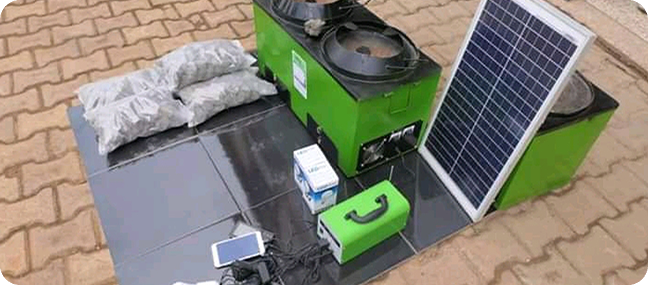
We locally assemble high-quality electric pressure cookers (quick pots) and deploy them through an innovative Pay-As-You-Cook (PAYC) model for a great impact. This approach allows households to access efficient electric cooking technology without the burden of high upfront costs, paying only for what they use over time.
Our solution bridges the gap between clean energy access and everyday cooking needs, enabling families to transition away from charcoal, firewood, and inefficient fuels.


Our Impact Focus
Groups that cannot afford upfront payment for clean cooking solutions available on the market today. We are largely driven by the Social Impact more than the economic of this innovation.
We improve health and quality of life by reducing indoor air pollution, cooking time, and the physical burdens especially on women and children. Faster, safer cooking means more time for education, income-generating activities, and family.

Economic Impact
Our Pay-As-You-Cook model lowers barriers to adoption and helps households manage energy expenses predictably. By assembling locally, we create jobs, build technical skills, and strengthen Uganda’s clean-energy value chain.

Environmental Impact
By replacing charcoal and firewood with energy-efficient electric cooking, we help reduce deforestation, carbon emissions, and pressure on natural ecosystems. Each cooker in use contributes to climate resilience and a cleaner future.


About Eco Group Technology
Leading the Transition to
Eco Friendly Energy
10
k+Total Completed Projects
98
%Customers Satisfaction Rates
Our Mission
To make modern, safe, and energy-efficient cooking accessible to everyone regardless of income level while driving lasting social, economic, and environmental impact to all.
Our Vision
A Uganda where every household cooks safely, affordably, and sustainably—without harming their health, finances, or the environment.

Why Choose Us
Why Electric Pressure Cooking?
Electric pressure cookers use significantly less energy than traditional cooking methods, cook food up to 70% faster,
and work well even with limited power supply. They are ideal for urban, peri-urban, and off-grid
or weak-grid communities when paired with appropriate energy solutions.
10
kFinished Works
Our Commitment

Affordability:
Clean cooking that fits real household incomes

Local Value:
Assembled in Uganda, for Ugandan households

Inclusion:
Designed for everyday kitchen focused on a women, low-income families, and marginalised communities
Sustainability:
Aligned with climate goals and clean energy transitions